


When preparing a dental practice for a transition to new ownership, maintaining stability in both daily operations and administrative patient management is a central focus. Managing this period effectively can help ensure that the practice continues to run smoothly during the handover. The timeframe leading up to a transition requires attention to how information is transferred from the current owner to the incoming team. Rather than assuming continuity will happen automatically, a structured approach to passing the baton can help avoid unnecessary administrative friction. This process involves preparing the staff for the changes ahead and ensuring that the administrative patient experience remains consistent. By systematically addressing operational handoffs, the outgoing owner can provide the incoming team with a clearer picture of how the practice functions on a day-to-day basis.
Operational continuity during a transition often hinges on the deliberate transfer of institutional knowledge. The existing team possesses a wealth of information about scheduling nuances, vendor relationships, and daily administrative workflows that may not be immediately apparent from reviewing basic records alone. Creating a structured framework for sharing this knowledge can make the transition process more manageable for everyone involved. The goal is to provide the new ownership with the insights needed to maintain standard operations. A well-organized transition plan focuses on practical, administrative details that support the ongoing function of the practice.
Preparing the Team: The Role of Staff Handoffs
The dental practice team forms the backbone of daily operations. Preparing them for a transition involves clear communication and organized documentation of their respective roles. Staff handoffs are not simply about listing job titles; they are about detailing the specific, often undocumented, tasks that keep the practice running efficiently on the administrative side. This includes mapping out daily routines, identifying point persons for specific operational tasks, and clarifying how different administrative roles interact within the practice environment. A comprehensive handoff provides the incoming owner with a functional blueprint of the team’s capabilities and current responsibilities.
It is highly beneficial to outline the administrative workflows that the team currently manages. This might include documenting how the front desk handles appointment confirmations, how the administrative coordinator processes daily reports, and how the team organizes office supplies. Documenting these processes helps the new owner understand the current state of operations. Providing a clear picture of current roles helps the incoming team make informed decisions about future administrative structures. The emphasis should remain squarely on facts and current practices rather than assumptions about the future.
Effective staff handoffs also involve compiling information about the administrative tools and systems the team uses. This includes practice management software, communication platforms, and inventory tracking systems for non-clinical supplies. Providing documentation on how the team currently utilizes these tools can reduce the learning curve for the new owner. Additionally, noting any recurring operational challenges or areas where the team has developed administrative workarounds can provide valuable context. The objective is to create a transparent, realistic view of the team’s day-to-day activities, allowing the incoming ownership to step in with a clear understanding of the operational landscape.
Managing Patient Continuity: Strategic Steps

Administrative patient continuity is a key element of practice stability during a transition. Maintaining continuity focuses on ensuring the administrative patient experience remains as consistent as possible. This involves careful planning regarding how and when patients are informed of the transition, as well as maintaining standard operational procedures for scheduling and basic communication. The goal is to minimize administrative disruption and ensure that patients continue to interact with the practice’s front office in the manner they expect.
One aspect of patient continuity is managing the flow of administrative communication. Deciding on the appropriate method and timing for announcing the transition requires careful consideration. The approach should be tailored to the specific dynamics of the practice’s communication style. It is important to focus on factual information regarding the change in ownership and any adjustments to administrative processes. Maintaining a professional and clear tone helps set appropriate expectations for patients. Providing staff with consistent messaging guidelines can also help ensure that patient administrative inquiries are handled uniformly during the transition period.
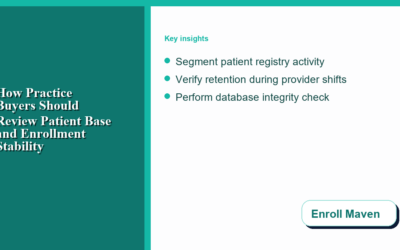
Another strategic step is ensuring that the administrative aspects of patient care, such as scheduling and basic record management, continue without interruption. The new ownership should be provided with a clear understanding of the current scheduling protocols, including how recall appointments are managed on the calendar. Teams reviewing the backlog can also distinguish scheduled activity from assumptions by considering patient base and enrollment stability. Documenting these procedures helps maintain the rhythm of the practice. Similarly, ensuring that the administrative transfer of records follows established office protocols supports a smooth transition. By focusing on the structural aspects of patient management, the practice can support ongoing continuity during the changeover.
Integrating Operational Continuity into Your Sale
The process of transferring a dental practice involves numerous logistical and administrative tasks. Integrating operational continuity planning into this broader process can help structure the transition more effectively. This integration requires looking at the practice as an ongoing operation that must continue to function administratively throughout the sale process. By addressing continuity early in the process, the outgoing owner can systematically organize the information and resources that the new administrative team will need.
A structured approach to operational continuity is an essential component of comprehensive dental practice sale planning. It demonstrates a commitment to an organized handover. This planning involves compiling the necessary documentation, organizing operational data, and creating a framework for the administrative transition. By focusing on these practical elements, the transition process can be managed more methodically. This preparation provides the incoming owner with a solid foundation from which to begin their administration of the practice.
Integrating these steps also involves setting realistic expectations for the transition period. Acknowledging that transitions involve a period of adjustment for all parties can help frame the process more constructively. The focus should remain on providing the necessary information and maintaining operational stability, rather than attempting to predict the long-term outcome of the transition. A well-prepared operational handoff provides the tools and information necessary for the new team to take over the administrative functions of the practice efficiently.
Operational Handoff Checklist

To facilitate a structured and organized transfer of practice administration, the following non-clinical operational handoff checklist can be utilized. This checklist focuses specifically on the practical elements required to maintain daily operations.
- Staff Role Notes: Compile detailed documentation of current administrative staff responsibilities. This should go beyond basic job descriptions to include daily, weekly, and monthly tasks. Note who is responsible for specific administrative functions, such as managing the schedule, processing mail, and ordering office supplies. Include any specialized administrative training or specific operational knowledge held by individual team members. This provides a functional map of the team’s current administrative capabilities.
- Scheduling Backlog: Provide a clear overview of the current appointment schedule. This includes detailing the volume of upcoming appointments and any backlog in scheduling. Document the protocols for confirming appointments, handling cancellations, and managing the active patient list from an administrative standpoint. This information helps the incoming team understand the immediate operational workload and scheduling rhythm.
- Vendor Contacts: Create a comprehensive list of all non-clinical vendors and service providers. This includes contact information and account details for office supplies, IT support, janitorial services, administrative software vendors, and general maintenance companies. Document current service agreements, billing cycles, and any regular communication protocols. This ensures the new owner can maintain necessary operational support without interruption.
- System Access: Organize the administrative access credentials necessary for practice operations. This includes login information for practice management software, email systems, scheduling platforms, and any administrative portals. Ensure that a clear protocol is established for transferring administrative rights and updating security credentials. This step is critical for allowing the new team to take administrative control of the practice’s systems.
- Communication-Review Responsibilities: Document the current procedures for managing practice communications. This includes identifying who is responsible for answering phones, monitoring the general practice email account, managing physical mail, and responding to general administrative patient inquiries. Detail any established protocols for routing specific types of communications to appropriate team members. This ensures that incoming information continues to be handled efficiently during the transition.
Conclusion
Executing a structured operational handoff is a fundamental part of a dental practice transition. By focusing on the practical transfer of information regarding staff roles, scheduling, vendor management, system access, and communication protocols, the outgoing owner can facilitate a more organized changeover. This attention to administrative detail supports the ongoing stability of the practice and provides the incoming team with the necessary foundation to begin their management. A methodical approach to operational continuity helps ensure that the transition process is managed with clarity and professionalism.
The preparation involved in documenting and transferring this operational knowledge is an important administrative task. It requires a clear-eyed assessment of current practices and a commitment to providing transparent, factual information. By avoiding assumptions and focusing on the concrete elements of practice administration, the transition can proceed more smoothly. Ultimately, a well-executed operational handoff serves the practical needs of the practice during a period of significant change.

0 Comments